Drawings are anonymous — no child's name appears on any page. They are published with the school's permission, and they are shown as they were drawn, without cropping or tidying. An unfinished or nearly blank page is a real answer too, and is never discarded.
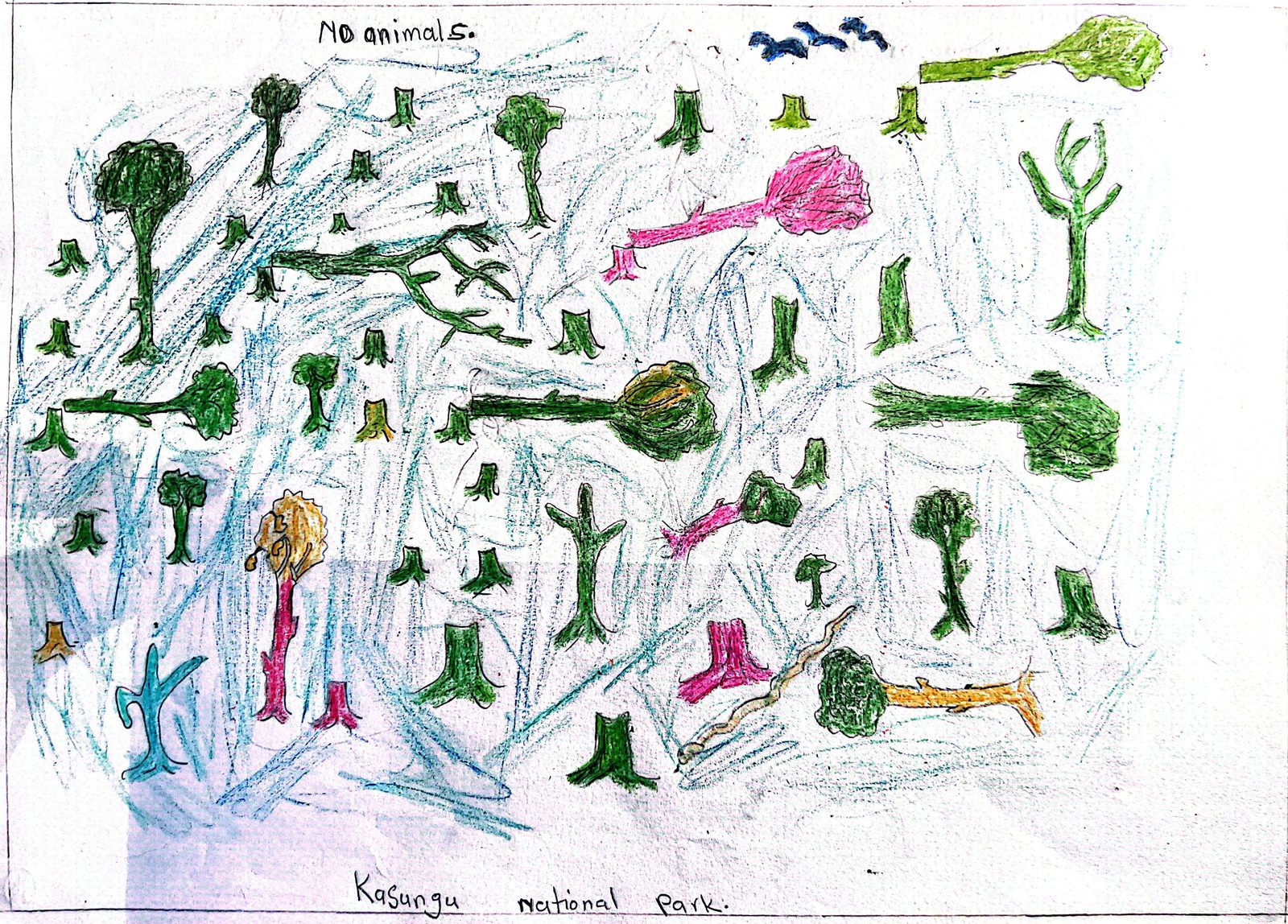
Misozi Primary School
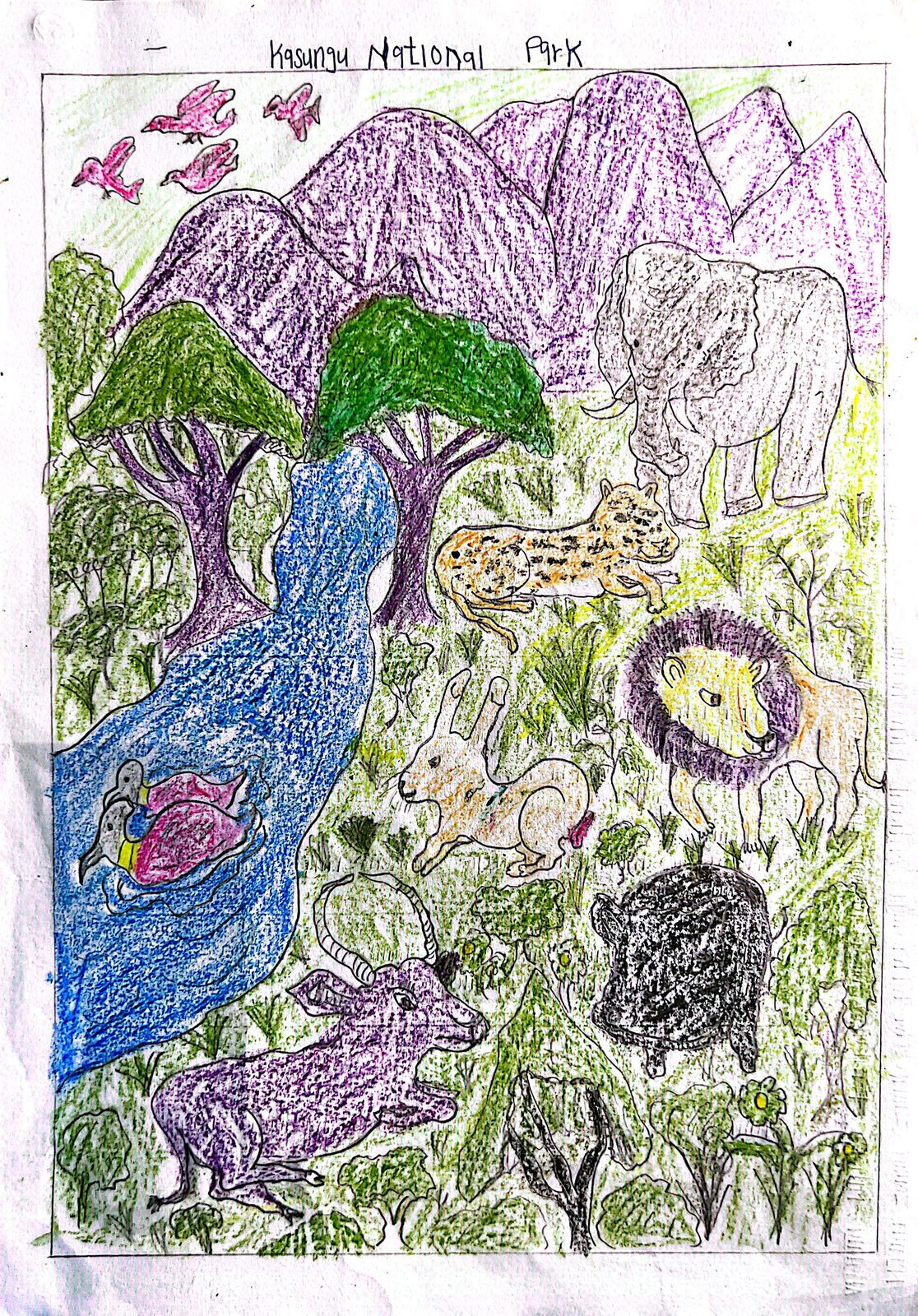
Misozi Primary School
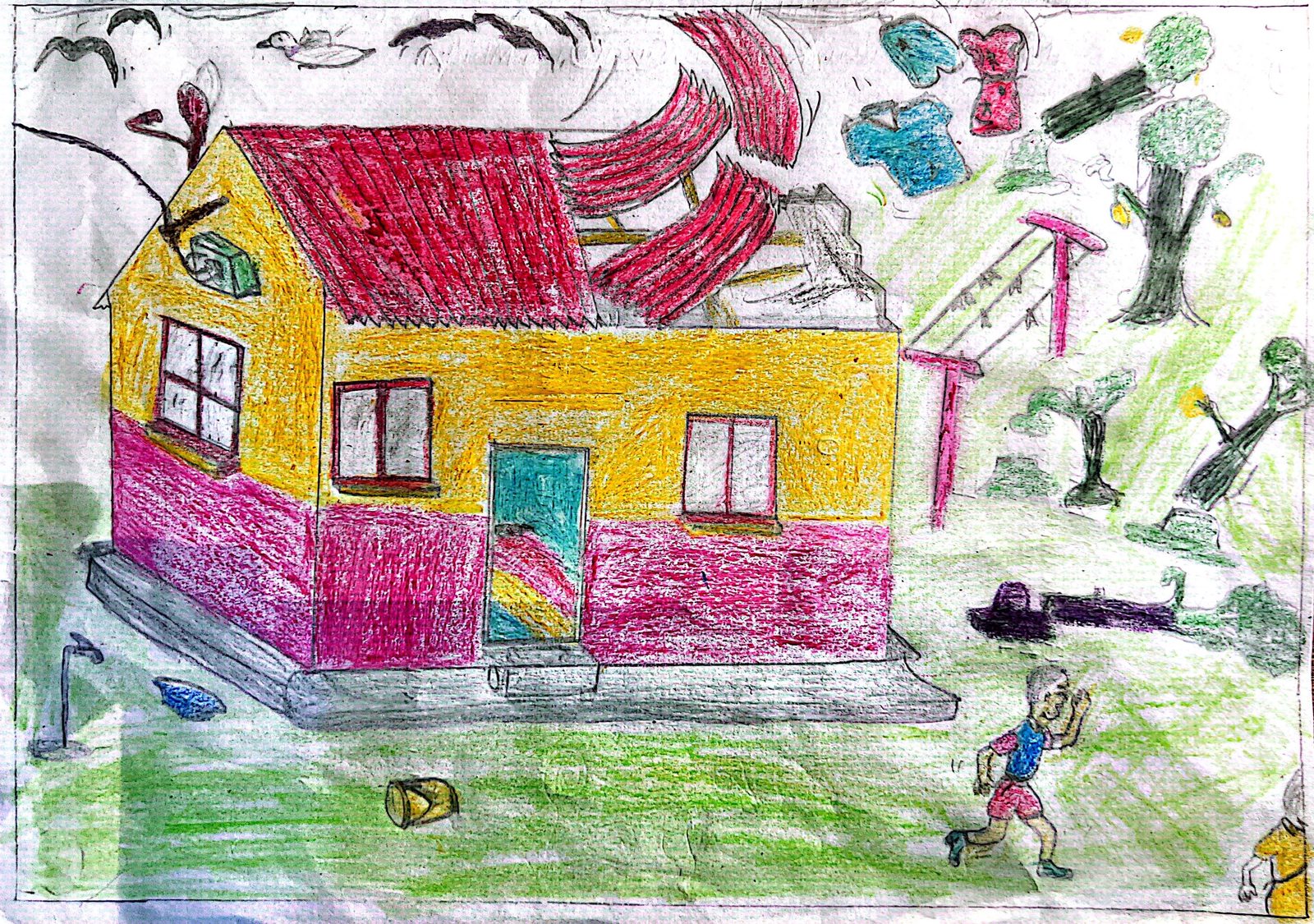
Katchereza Primary School
What we look for when we read them
Every drawing is analysed centrally using the same scheme, so that a classroom in one country can be compared with a classroom in another. We record whether wildlife appears at all, whether people and animals are shown together, whether threats are present, whether any conservation activity is drawn, and the overall emotional tone of the page. The “no animals” flag — a future drawn with no wildlife in it whatsoever — is recorded separately, because it was the finding that started this project.
← Run the activity with your class